We’ll be right over.
Roofing Service Areas in Colorado – Broomfield & Westminster
Headquartered in Broomfield, CO: Roofing Service Areas in Colorado
We’ve been roofing in Broomfield for seven years, which means we know exactly which neighborhoods around Flatiron Crossing and the Broomfield Town Center are coming up on that 15-20 year roof replacement window. A lot of homes from the early 2000s building boom still have the original builder-grade shingles, and they’re showing their age. The developments along Lowell Boulevard and around Anthem are dealing with this more than most homeowners realize, especially when those materials fail earlier than the warranty said they would. For the best coverage of local roofing service areas choose ATS.
We handle everything from emergency storm repairs near Interlocken to complete exterior makeovers in Wildgrass, and we can get there faster because we’re already in town. Being Owens Corning certified matters here because we can get materials faster and our warranties actually mean something when you’re working with a local company instead of storm chasers who are gone next month. When a surprise May snowstorm hits and your roof starts leaking, response time matters.
Westminster, CO
Westminster is right in the middle of everything. You’ve got established neighborhoods near Legacy Ridge Golf Course that were built in the 80s and 90s, and then newer development around The Orchard Town Center. That mix means we see everything—original roofs that are way past their life expectancy on one side, and newer builds with warranty issues that builders don’t want to deal with on the other. Properties around Standley Lake have different drainage issues than homes closer to Highway 36.
After working throughout Westminster for years, we know which subdivisions used which builders and where they cut corners on flashing and ventilation. A lot of Westminster homeowners don’t realize their roof is failing until a real estate inspection catches it, and then they’re scrambling to get the work done before the sale falls through.
Boulder County, CO
Boulder County is different—whether you’re in Boulder, Erie, Lafayette, or Louisville, people expect more. Mountain view homes near the Flatirons aren’t getting basic three-tab shingles. They’re getting architectural shingles, better underlayment, and premium siding that matches what the property is worth. We’ve done everything from University of Colorado area rentals that just need basic repairs to custom builds in the foothills where picking the right materials takes longer than some entire projects.
The elevation changes across Boulder County mean different building codes, different wind requirements, and different ways to calculate snow load. What works for a property near Coal Creek in Louisville doesn’t work the same way for a home higher up closer to the mountains. The technical requirements change more than most people realize.
Aurora, CO
Aurora gets hit harder by hail than most areas along the Front Range. Properties from Buckley Space Force Base down to Cherry Creek State Park see storm claims pile up year after year, and insurance adjusters know it. They look at Aurora estimates harder than anywhere else, which means you need someone who knows how to document damage properly and deal with adjusters who are trying to pay as little as possible.
Storm patterns are different between Southlands and properties near Fitzsimons, and after handling dozens of insurance projects across Aurora, we know which roofing materials actually hold up and which ones you’ll be replacing again in ten years. If your roof took a beating and the adjuster is lowballing your estimate, we’ve been through this enough times to know how to get it handled right.
Thornton, CO
Thornton has grown like crazy over the past decade. Newer homes around The Orchard shopping district are just now hitting that first real roof inspection, while older properties near Historic Downtown are dealing with roofing systems that should have been replaced years ago. We are the top roofing service areas provider. The problem is that most homeowners don’t realize their roof is failing until water starts showing up inside, and by then you’re looking at interior damage on top of the roofing work.
We’ve worked on everything from smaller ranch homes near Trail Winds to larger properties along 136th Avenue, and the biggest issue we see is builder-grade ventilation that was never good enough to begin with. Poor attic ventilation in Colorado means your shingles fail early, you get ice damming in winter, and your energy bills are higher than they should be. Fixing it right the first time saves you from doing the same expensive job twice.
Boulder, CO
Boulder homes are expensive, and the expectations match. Properties near the Pearl Street Mall and up into the neighborhoods closer to Chautauqua Park aren’t looking for the cheapest option—they’re looking for quality that lasts. A lot of these homes have specific architectural styles that you can’t just ignore when you’re doing siding or roofing work. Spanish tile roofs, historic wood siding, custom trim work—it all has to be done right or it sticks out like a sore thumb.
What makes Boulder different is that homeowners here actually care about the details. They want to know what materials you’re using, why you’re choosing them, and how long they’ll last in Colorado’s climate. You can’t just show up with a standard proposal and expect it to fly. Materials have to meet both performance standards and aesthetic requirements, which usually means spending more time on the planning than you would in other areas.
Denver, CO
The other thing about Denver is access. Narrow streets in older neighborhoods, HOA restrictions in newer developments, and parking regulations downtown all affect how we approach a project. Then you’ve got the paperwork—historic district approvals, HOA architectural reviews, city permits. Denver homeowners expect you to handle all of that without turning it into a three-month ordeal.
Jefferson County, CO
Jefferson County goes from the foothills all the way east to where it meets Denver, which means you’re dealing with completely different situations depending on where you are. Properties up in the foothills near Evergreen and Conifer face harsher weather—more snow, more wind, bigger temperature swings. Materials and installation techniques have to account for that or you’ll be replacing the same roof in half the time it should last.
Head east toward Lakewood, Wheat Ridge, and Edgewater, and you’re dealing with older homes from the 50s and 60s mixed in with newer developments. The older properties often have original roofing and siding that’s held up remarkably well, but when it finally needs replacing, you’re usually updating everything at once because it all aged together. Jeffco also has strict building codes and inspection requirements that you can’t skip or shortcut.
Adams County, CO
Adams County covers a lot of ground—from Thornton and Westminster down through Northglenn and Arvada. You’ve got new suburban developments near Rocky Mountain Arsenal and older homes that haven’t been updated since the 70s. A lot of properties are hitting that 20-25 year mark where the roof, siding, and trim all need attention at the same time, but homeowners try to piece it together over a few years instead of handling it all at once.
We’ve seen this enough times to know that doing everything together saves money in the long run. New siding doesn’t look right when it’s butting up against old trim that’s going to fail in two years anyway. Communities along Highway 36 are growing fast, and new construction warranty issues show up more than most buyers expect.
Arvada, CO
Historic Old Town Arvada is different from newer developments. Older homes have architectural details that need to be matched, neighborhood preservation rules that limit what materials you can use, and roofing systems that were originally built with materials we don’t use anymore. Properties near Ralston Creek Trail might still have 30-year-old cedar shake roofs that need to be replaced with something that looks similar but actually meets modern fire codes.
We’ve done enough historic home projects in Arvada to know which materials get neighborhood association approval and which ones cause problems. The homes around Olde Town need contractors who know how to work with older structures without messing up the original character that makes these properties worth what they are. You can’t just do the same thing you’d do on a new build.
Northglenn, CO
Northglenn properties near E.B. Rains Jr. Memorial Park and Webster Lake are in that sweet spot where homes are old enough to need major work but not old enough to have all those historic preservation rules. Most of these neighborhoods were built in the 70s and 80s, which means original roofs are way past done and the siding is showing its age.
We’ve replaced enough roofs throughout Northglenn to see the same problem over and over: bad attic ventilation that was considered fine back when these homes were built but causes real problems now. The biggest mistake we see is homeowners waiting until they have active leaks before calling anyone. By then, what should have been a straightforward roof replacement turns into fixing interior damage and dealing with possible mold on top of the exterior work.
Superior, CO
Superior sits right between Boulder and Louisville, and most of the homes here are less than 25 years old. Rock Creek and other developments around here were built in the 90s and 2000s, so you’d think everything would still be in good shape. The reality is that a lot of these roofs are hitting that 20-year mark where they need to be replaced, and homeowners are surprised because they thought they had more time.
The wind in Superior is no joke. Properties here take more of a beating than areas that are more sheltered, which means shingles lift, flashing fails, and suddenly you’re dealing with water intrusion. We’ve also seen issues with the original siding installations—a lot of the fiber cement was installed without proper clearances, and now it’s rotting from the bottom up. Catching these problems early makes a huge difference.
Denver County, CO
Denver County properties are all over the map—historic homes in older neighborhoods, modern builds in developing areas. The approach changes completely depending on where you are. Mountain view properties need premium materials and installation quality that matches what the property is worth, while urban developments closer to downtown often have access issues that require different equipment and different ways of doing things.
We’ve handled storm damage repairs across Denver County—everything from minor hail damage to complete roof failures that turned into insurance nightmares. What’s different in Denver is that homeowners expect you to handle both the actual work and all the paperwork—insurance documentation, HOA approvals, historic district requirements—without needing their hand held through the whole thing.
Louisville, CO
Louisville has a small-town feel even though it’s grown a lot over the past 20 years. The older homes around Historic Downtown Louisville and near Steinbaugh Pavilion were built well, but they’re at that age where everything needs attention at once. Then you’ve got newer developments like Harper Lake where homes are only 15-20 years old but already showing wear from Colorado’s weather extremes.
One thing about Louisville—people here pay attention to how their homes look. Curb appeal matters, which means your siding choice, trim details, and roof color all have to work together. We’ve done projects where homeowners wanted specific looks that matched the neighborhood character, and that attention to detail is pretty common here. It’s not just about function; it’s about making sure the finished product actually looks good.
Lafayette, CO
Lafayette sits right between Louisville and Erie, and it’s got that same mix of older established neighborhoods and newer developments. The area around Old Town Lafayette has homes from the early 1900s mixed with builds from every decade since. That means you’re dealing with everything from original wood siding that needs careful restoration to 1970s aluminum siding that should have been replaced ten years ago.
The newer sections of Lafayette—places like Indian Peaks and the neighborhoods near Waneka Lake—are running into that same problem we see in a lot of Front Range communities. Builder-grade materials that looked fine 15 years ago are failing faster than expected. Cheap composite siding is warping, basic shingles are losing granules, and suddenly homeowners are looking at major expenses they didn’t budget for. Better materials up front would have avoided most of these problems.
Erie, CO
Erie’s newer developments near Erie Community Park and Coal Creek Golf Course mean most properties are still under 20 years old, but that doesn’t mean everything is perfect. Builder warranty issues, shingles failing early because of poor ventilation design, and siding that was installed fast instead of right—it all shows up more than Erie homeowners expect. We’ve been called out to fix enough new construction problems to know which builders in Erie cut corners and which ones actually build homes that last.
The problem with newer properties is that homeowners think everything is fine because the house is only 10-15 years old. Then an inspection shows ventilation problems, improper flashing, or siding that’s already got moisture damage. Colorado weather doesn’t care how new your house is.
Firestone, CO
Firestone has exploded over the past 15 years. What used to be farmland is now development after development, which means thousands of homes that are all hitting their first major maintenance window at the same time. Most of these properties are 10-20 years old, and homeowners are just now discovering which builders did good work and which ones didn’t. The roofs in some of these subdivisions are failing years earlier than they should, and it usually comes down to poor ventilation or cheap materials.
The other issue in Firestone is the wind. Properties out here take a constant beating from wind, especially in the spring. We’ve seen more wind-damaged shingles, torn off siding pieces, and blown-off trim in Firestone than just about anywhere else. If your roof or siding wasn’t installed properly to begin with, the wind finds every weak spot. Fixing those installation mistakes before they turn into bigger problems is always cheaper than waiting.
Frederick, CO
Frederick is a lot like Firestone—rapid growth over the past couple decades, mostly newer homes, and all the problems that come with fast development. Most properties here are less than 20 years old, which should mean they’re fine for another decade. But that’s not what we’re seeing. Roofs are showing premature wear, siding is failing around windows and doors, and trim is rotting because it wasn’t installed with proper clearances from the start.
The biggest surprise for Frederick homeowners is finding out their warranty doesn’t cover half the problems they’re dealing with. Builder warranties have so many exclusions that they’re almost useless, and by the time the problems show up, the warranty period is often over anyway. We end up fixing a lot of issues that should have been done right the first time. Getting a proper inspection before those problems get worse is the smart move.
Being Local Matters

Flatiron Crossing
The Flatirons
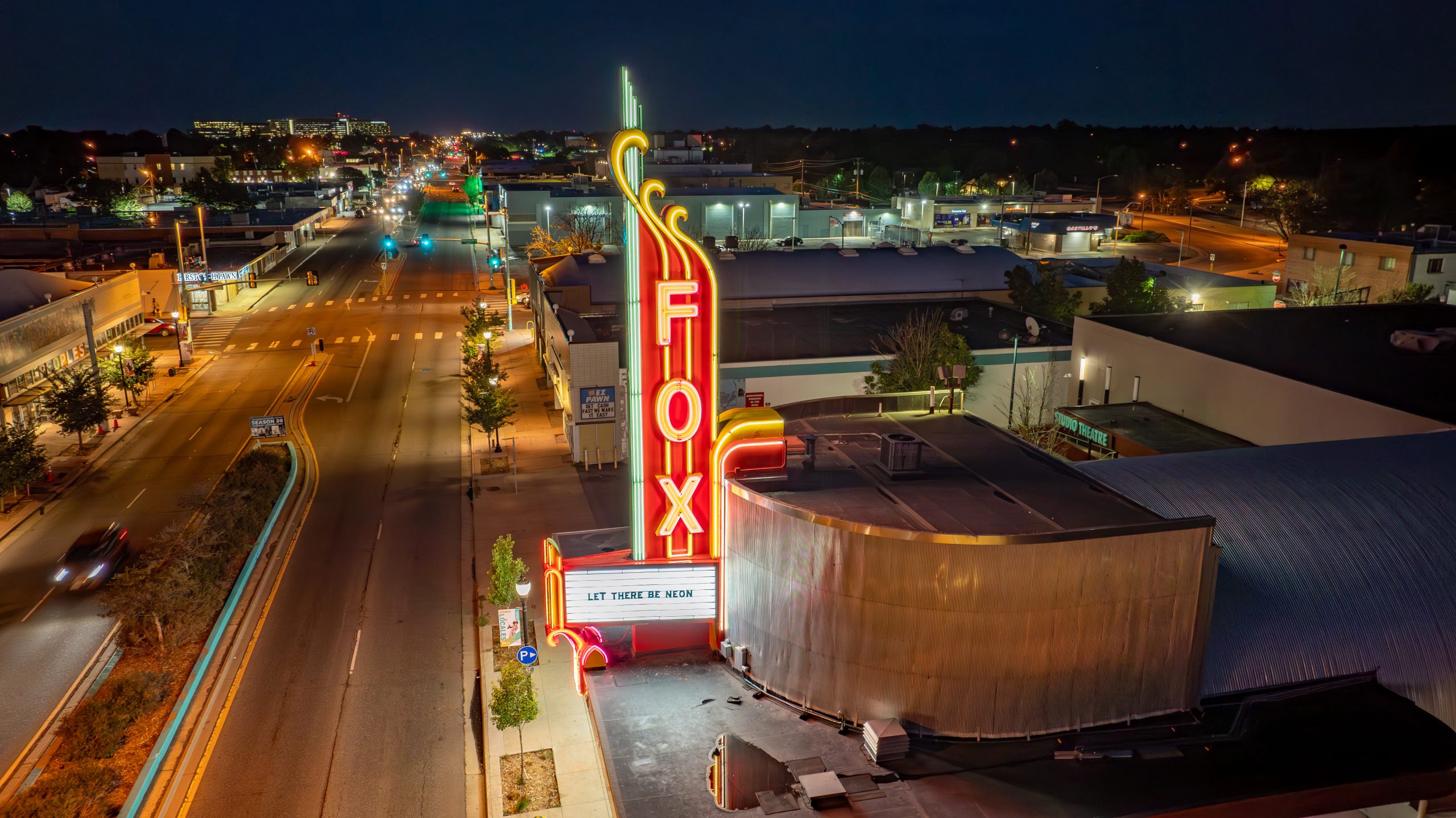
Aurora Fox Arts Center
The Orchard
The Orchard Town Center
University of Colorado Boulder
Denver Art Museum OR Coors Field
Red Rocks Amphitheatre
Rocky Mountain Arsenal National Wildlife Refuge
Olde Town Arvada
E.B. Rains Jr. Memorial Park
Rock Creek
Coors Stadium
Historic Downtown Louisville
Old Town Lafayette
Coal Creek Golf Course
Coal Ridge Middle School
Frederick High School
Office Hours:
Contact Info:
Address :