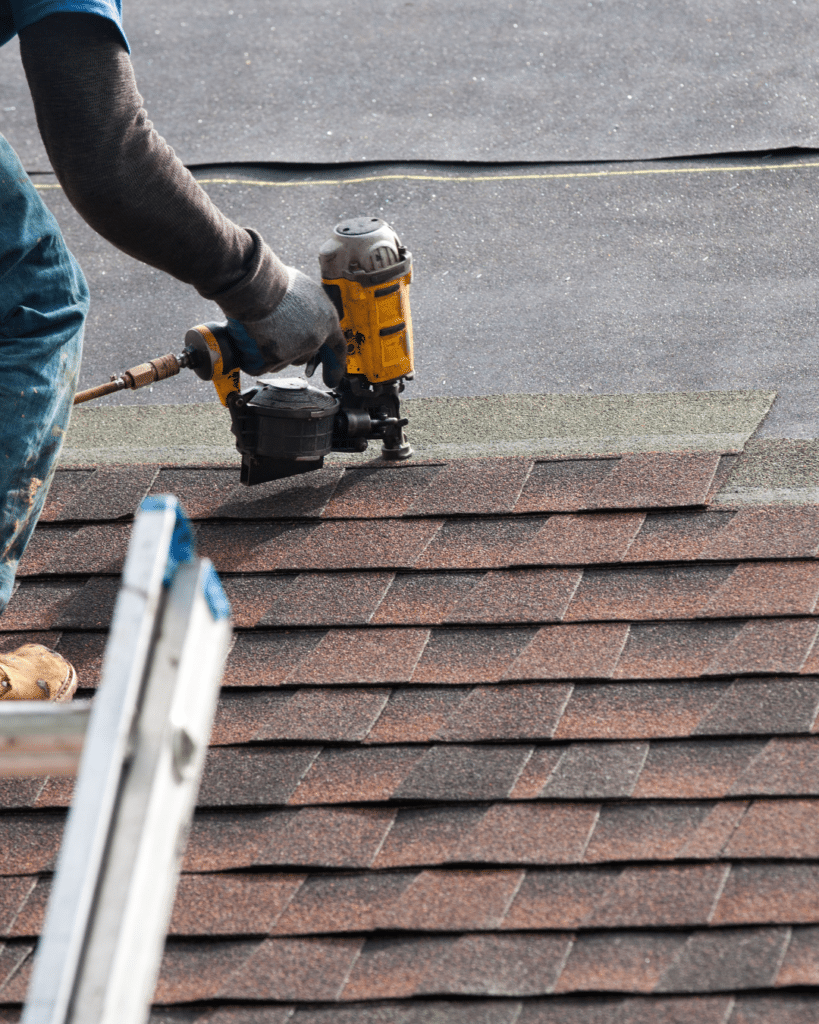
Professional Insurance Claim Assistance Broomfield

When you need insurance claim assistance in Broomfield, the process shouldn’t feel like a second job. Filing claims for roof or siding damage becomes overwhelming fast. Between understanding your policy, documenting damage, meeting adjusters, and fighting denials, most homeowners get worn down by the bureaucracy. ATS Exteriors handles the complicated parts so you can focus on getting your home repaired.
We’ve worked with every major insurance carrier operating in Broomfield and Westminster for 7 years, bringing over 15 years of experience to the claims process. We know what adjusters look for. We know how insurance companies calculate depreciation. We know when they’re lowballing estimates and how to push back with documentation they can’t ignore. We’ve helped hundreds of homeowners in Broadlands, Anthem Ranch, McKay Landing, Westminster’s Legacy Ridge, and The Ranch navigate claims from start to finish.
Colorado’s hail season runs April through September, and the Front Range gets hammered harder than almost anywhere in the country. After major storms sweep through Broomfield Heights, Aspen Creek, or Willow Run, we’re handling dozens of claims simultaneously. We never charge for insurance claim assistance when you hire us for repairs. It’s part of our service because we know the system is stacked against homeowners.
How Insurance Claims Work
How insurance claims work in Colorado depends on your policy type, coverage limits, and deductible structure. Most homeowners have replacement cost value (RCV) policies, which pay the full cost to replace damaged materials minus your deductible. Some older policies only cover actual cash value (ACV), which factors in depreciation and pays you less.
Here’s the typical process: You notice damage after a storm and file a claim with your insurance company. They send an adjuster to inspect your property and document damage. The adjuster creates an estimate using software called Xactimate that calculates material and labor costs. If damage meets the threshold for replacement, they approve your claim and issue payment.
The first payment is usually ACV minus your deductible. This covers immediate repairs but holds back depreciation. Once work is complete, you submit invoices proving you replaced the damaged materials, and insurance releases the recoverable depreciation. This two-payment system is designed to prevent fraud but creates cash flow problems for homeowners.
Insurance companies make money by denying claims and minimizing payouts. Adjusters work for the insurance company, not you. Their job is documenting damage accurately, but they’re also incentivized to keep estimates low. This is where insurance claim assistance becomes valuable. We make sure nothing gets missed and estimates reflect actual scope.
Our Claims Process
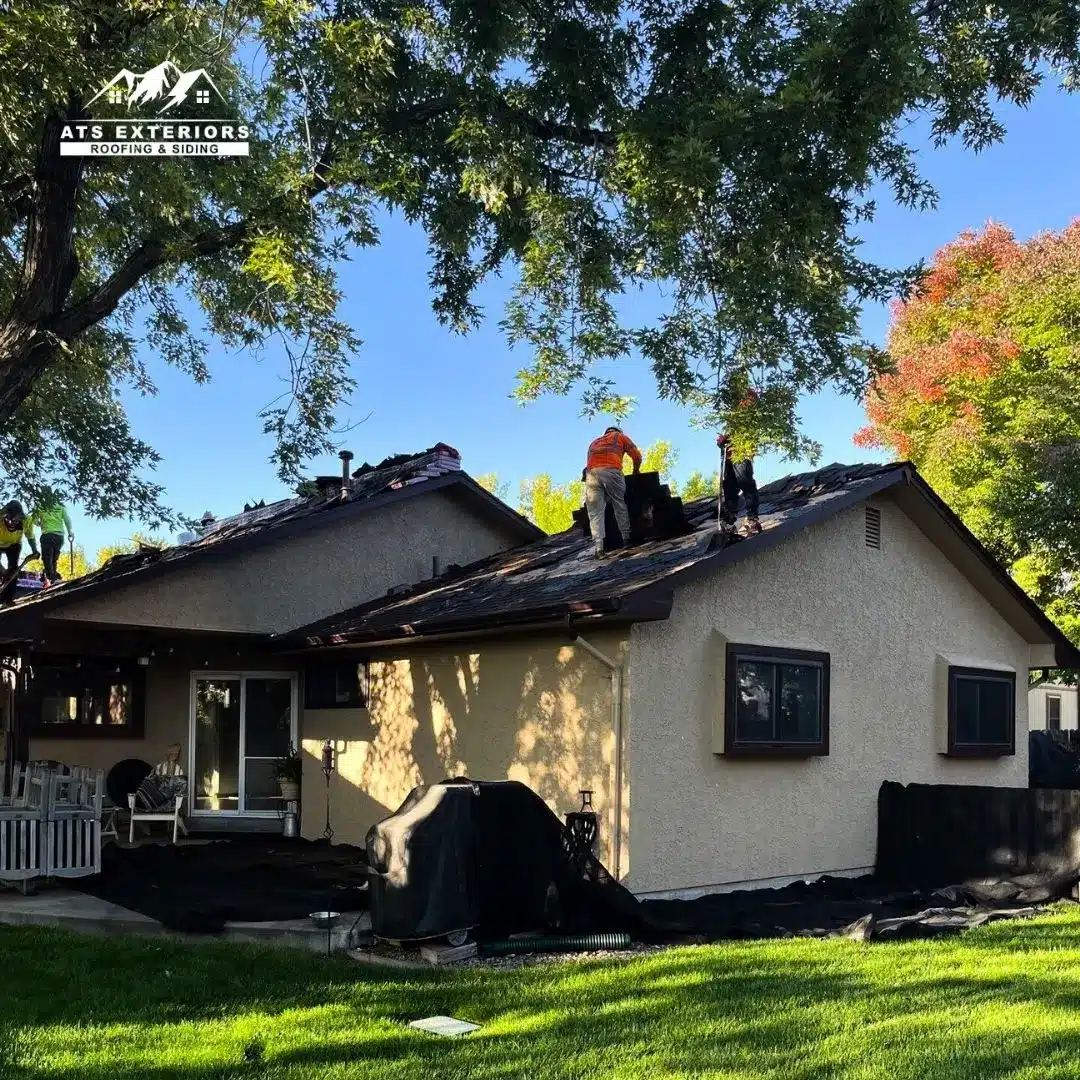
Our claims process for insurance claim assistance in Broomfield starts when you call us after storm damage. We schedule a free inspection to document all damage to your roof, siding, gutters, and other exterior components. We take high-resolution photos showing impact marks, cracks, dents, and missing materials. We measure damage across all elevations of your home.
We’ll tell you honestly whether damage warrants filing a claim. Sometimes damage is minor and doesn’t exceed your deductible. Sometimes it’s extensive and clearly meets the threshold for replacement. We’ve inspected homes in Northmoor Estates, Brandywine, and Broomfield Country Club where homeowners thought they had major damage but it was actually normal wear that insurance won’t cover. We’ve also found severe damage homeowners missed completely.
Working With Adjusters
Working with adjusters requires knowing what they’re looking for and how to present damage in terms they can’t dispute. Adjusters use the “Rule of 8” or “Rule of 10” depending on the carrier. If 8-10 or more hail impacts appear in a test square (10×10 feet), that elevation qualifies for replacement. Anything less gets denied or approved for patch repairs only.
We know how to document impact marks so they show up clearly in photos. We know which angles reveal dents in metal flashing. We know when shingle granule loss indicates functional damage versus cosmetic aging. This expertise matters because adjusters work fast and don’t have incentive to find every problem.
Some adjusters are fair and thorough. Others rush inspections and lowball estimates hoping homeowners won’t notice. We’ve dealt with adjusters who claimed hail damage was “cosmetic only” when impacts clearly compromised shingle integrity. We’ve seen adjusters approve half the roof when both slopes showed identical damage. We push back with documentation they can’t ignore.

What Your Policy Covers
What your policy covers depends on what you bought and what caused the damage. Standard homeowners policies cover sudden, unexpected events: hail, wind, falling trees, fire. They don’t cover wear and tear, deferred maintenance, or damage that happened gradually over time.
Your roof has a limited lifespan. If it’s 25 years old and fails, that’s wear and tear. If a hail storm destroys your 10-year-old roof, that’s covered. The line isn’t always clear. Insurance companies love claiming damage is “pre-existing” or “normal wear” to deny claims. We document the difference between storm damage and aging with photos showing impact patterns, shingle conditions before storms, and damage that clearly resulted from specific weather events.
Deductibles are either flat dollar amounts or percentages. A $1,000 deductible means you pay the first $1,000 of repairs out of pocket. A 2% deductible on a $300,000 home means you pay $6,000 before insurance covers anything. Wind/hail deductibles are sometimes separate and higher than other perils. Know what yours is before filing claims.

Denied Claims Help
Denied claims help is where insurance claim assistance in Broomfield becomes most valuable. Insurance companies deny claims constantly, and most homeowners don’t appeal because they don’t know how or they’re intimidated by the process. We’ve successfully overturned dozens of denials.
Common denial reasons include: “damage is cosmetic,” “damage is pre-existing,” “damage doesn’t meet threshold for replacement,” “claim filed outside time limit,” or “damage not covered under policy terms.” Some denials are legitimate. Many are not. Insurance companies count on you accepting their decision without pushing back.
If your claim gets denied, we review the denial letter and assess whether appeal makes sense. We gather evidence that contradicts their reasoning. If they claim damage is cosmetic, we get engineering reports showing functional impairment. If they claim damage is pre-existing, we provide photos from before the storm proving roof condition. If they claim damage doesn’t meet threshold, we document additional impacts they missed.

Why Choose ATS Exteriors for Insurance Claims
Most roofing and siding contractors will say they “work with insurance.” We actually do. Rebecca and Jeff Stakes have spent years learning insurance company processes, adjuster methodologies, and Xactimate estimating software. We speak their language and know their tactics.
We never charge for insurance claim assistance if you hire us for repairs. The help is included because we’re invested in getting your claim approved correctly. If your estimate is too low, we either have to eat the difference or argue with you about costs. Neither works for us. Getting it right from the start benefits everyone.
Our office is 500 feet from the Westminster border, so we respond quickly when storms hit Broomfield or Westminster. We’ve handled claims in every neighborhood across both cities. We know local contractors, adjusters who work this area regularly, and typical claim timelines for different carriers.

Why Choose ATS Exteriors for Insurance Claims
Most roofing and siding contractors will say they “work with insurance.” We actually do. Rebecca and Jeff Stakes have spent years learning insurance company processes, adjuster methodologies, and Xactimate estimating software. We speak their language and know their tactics.
We never charge for insurance claim assistance if you hire us for repairs. The help is included because we’re invested in getting your claim approved correctly. If your estimate is too low, we either have to eat the difference or argue with you about costs. Neither works for us. Getting it right from the start benefits everyone.
Insurance Claim Assistance (FAQs)
What’s the difference between insurance claim assistance and just filing a claim myself?
Filing a claim yourself means you handle all the paperwork, documentation, adjuster meetings, and appeals alone. Most homeowners don’t know what adjusters look for or how insurance companies calculate estimates. You’re dealing with professionals whose job is minimizing payouts while you’re learning the process for the first time. Insurance claim assistance means we handle the complicated parts. We meet adjusters at your property, review their estimates line by line, write supplements when damage gets undercounted, and appeal denials with documentation insurance companies can’t ignore. We’ve worked with every major carrier in Broomfield for 7 years. We know their tactics, their estimating software, and their denial patterns. Think of it like going to court without a lawyer versus hiring someone who knows the system. You can do it yourself, but you’re at a massive disadvantage.
What’s a supplement and when do I need one?
A supplement is an additional request for money when the adjuster’s initial estimate missed damage or underestimated scope. Supplements are extremely common in hail claims because adjusters often rush inspections and undercount impacts. They might approve one roof slope when both slopes have identical damage. They might miss damaged valleys or undercounted squares of affected area. We review every estimate line by line checking quantities, material specifications, and labor rates. When something’s wrong or missing, we write a supplement with photos and measurements proving the adjuster missed damage. We submit it to insurance requesting they add the items. Most claims require at least one supplement. We’ve gotten thousands of dollars added to claims through proper supplement documentation. Insurance companies don’t volunteer to pay more. You have to ask, and you have to prove why they should approve it.
Do you charge for insurance claim assistance?
We never charge for insurance claim assistance if you hire us for the repairs. The help is included because we’re invested in getting your claim approved correctly. If your estimate is too low, we either eat the difference or argue with you about costs. Neither works for us. Getting it right from the start benefits everyone. We make money on approved repairs, not on navigating insurance bureaucracy. Some contractors charge consultation fees or hide costs in inflated repair pricing. We don’t work that way. If you hire another contractor for repairs, we can discuss fee-based assistance, but for our customers, it’s part of the service. We’ve helped hundreds of Broomfield and Westminster homeowners get claims approved at full value without charging extra for the insurance work.
Should I use my insurance company’s preferred contractor list?
Preferred contractor lists aren’t what they sound like. Insurance companies don’t create these lists to help you. They create them to control costs. Preferred contractors often agree to work for lower rates in exchange for steady referrals. Some are excellent companies. Others cut corners to hit the low pricing insurance companies demand. You’re not required to use preferred contractors. You can hire anyone you want. Insurance must pay for repairs regardless of who does the work. The key is getting estimates that reflect actual scope at fair market rates. We’re not on preferred lists because we won’t agree to below-market pricing. We charge what quality work costs. Insurance companies hate that, but they still have to pay if your claim is approved. Don’t let adjusters pressure you into using their preferred contractors. It’s your choice, and choosing independently often means better quality work.
How long does the insurance claim process take in Colorado?
Typical insurance claims in Colorado take 2-8 weeks from filing to payment, but complex claims or denials can drag out for months. Here’s the usual timeline: You file the claim, insurance schedules an adjuster within 7-10 days, the adjuster inspects and submits an estimate within a week, insurance issues approval and first payment within 2-3 weeks. That’s the best-case scenario. Reality often differs. Adjusters get backlogged after major hail storms. Estimates come back low and require supplements. Insurance companies delay approvals hoping you’ll give up. Denied claims add months to the process through appeals. We’ve seen claims close in 3 weeks when everything goes smoothly. We’ve also fought claims for 6 months when insurance companies stonewalled. Having us involved speeds things up because we know how to push back on delays and get estimates approved faster.
What information should I gather before filing my insurance claim?
Before filing claims, document everything you can. Take photos of damage from multiple angles. Note the date you first noticed problems. Save weather reports from when storms occurred. Gather any previous inspection reports or maintenance records showing your roof’s condition before damage. Write down exactly what happened and when. If neighbors also got damage, note that because it proves storm severity. Collect your insurance policy and review coverage limits, deductibles, and exclusions. Have your policy number ready. Know your agent’s contact information. All this preparation strengthens your claim from the start. Insurance companies love denying poorly documented claims. Walking in with organized evidence makes their job harder. We can help gather additional documentation through professional inspections, but initial homework you do yourself matters. The more proof you provide upfront, the harder it is for insurance to deny.
What if my claim gets denied?
Denied claims aren’t the end of the road. Insurance companies deny claims constantly, counting on homeowners accepting their decision without appeal. Common denial reasons include “damage is cosmetic,” “damage is pre-existing,” or “damage doesn’t meet threshold for replacement.” We review denial letters, assess whether appeal makes sense, and gather evidence contradicting their reasoning. If they claim damage is cosmetic, we get engineering reports showing functional impairment. If they claim it’s pre-existing, we provide photos proving roof condition before the storm. We write detailed appeal responses citing policy language that supports coverage. We escalate to supervisors and claims managers when adjusters won’t budge. We’ve successfully overturned dozens of denials across Broomfield and Westminster. Some denials are legitimate, but many aren’t. Insurance companies bet you won’t fight back. We make sure they lose that bet.
How do you work with my insurance adjuster?
We work with insurance adjusters by meeting them at your property during their inspection. This is critical because adjusters sometimes rush inspections or miss damage that’s not obvious from the ground. We walk the roof with them, point out every impact mark, and make sure their estimate includes all damaged areas. We speak their language. We know Xactimate estimating software. We understand the Rule of 8 and Rule of 10 for impact counts. We photograph damage they might miss and provide documentation they can’t dispute. Some adjusters are fair and thorough. Others lowball estimates hoping homeowners won’t notice. Having us present ensures nothing gets overlooked. After they submit estimates, we review them for accuracy. If something’s wrong, we contact the adjuster directly to discuss corrections or write formal supplements. We maintain professional relationships with adjusters who work the Broomfield and Westminster area because we deal with them constantly.
Can you explain RCV versus ACV on my insurance policy?
RCV means Replacement Cost Value. ACV means Actual Cash Value. The difference affects how much insurance pays you. RCV policies pay the full cost to replace damaged materials minus your deductible. If your roof costs $20,000 to replace, RCV pays $20,000 minus deductible. ACV policies deduct depreciation based on age. That same $20,000 roof might only get $12,000 because insurance depreciated 40% for a 15-year-old roof. You’re stuck paying the $8,000 difference out of pocket. Most homeowners have RCV policies, but payment comes in two stages. First payment is ACV minus deductible. After work completes, you submit invoices proving you replaced materials, and insurance releases the recoverable depreciation. This two-payment system prevents fraud but creates cash flow problems. We help you understand which type you have and what to expect for payment timing.
What happens if my claim is approved but the estimate is too low?
Approved claims with low estimates are fixable through supplements. Just because insurance approved your claim doesn’t mean their first estimate is correct. Adjusters frequently undercount damage, miss components, or use incorrect pricing. We review approved estimates just as carefully as we review denials. If quantities are wrong, we provide measurements proving actual square footage. If they missed damaged valleys or flashing, we photograph the items with explanations of why they’re necessary. If labor rates are below market, we provide documentation of prevailing rates in Broomfield. We submit supplements requesting corrections with supporting evidence. Insurance companies often approve supplements when presented with proper documentation. The key is not accepting low estimates without question. Most homeowners see “approved” and think that’s the end. Smart homeowners verify estimates match actual damage before signing anything.
Schedule Your Free Roof Inspection Now
Don’t wait for small damage to become a costly problem. Get expert guidance and a clear plan from a team you can trust.

Schedule Your Free Roof Inspection Now
Don’t wait for small damage to become a costly problem. Get expert guidance and a clear plan from a team you can trust.