Skilled Roof Repair You Can Count On
Roof problems rarely show up at convenient times. One day everything looks fine, and the next you’re staring at a damp patch creeping across your ceiling, finding shingles scattered across the lawn after a windstorm, or hearing that unmistakable drip during the first warm day after a heavy snow. When that happens, you need someone who can show up quickly, diagnose the issue accurately, and handle the fix before a small problem turns into a major one.
ATS Exteriors has spent the last 7 years taking care of homes throughout Broomfield and Westminster, backed by more than 15 years of hands-on roofing knowledge. As Owens Corning Preferred contractors, we hold ourselves to manufacturer-level quality on every job, big or small. Colorado’s climate is hard on roofs in ways that catch a lot of out-of-state contractors off guard. High-altitude UV bakes shingles dry. Hailstorms strip granules and bruise the asphalt underneath. Sudden freeze-thaw shifts pry sealants apart and let moisture sneak into places it shouldn’t.
Rebecca and Jeff Stakes are on site for every repair we take on, because that’s how you make sure the work actually gets done right. Plenty of contractors will try to push you toward a full replacement when patching would do the trick. We’d rather earn a customer for life by being straight with you about what your roof actually needs.
Roof Issues We Handle
The most frequent calls we get involve missing or lifted shingles after wind events, ceiling leaks that trace back to chimneys or skylights, brittle and curling shingles weathered by years of sun exposure, failed flashing that’s letting water past the surface, ice dam damage from rapid melt cycles, hail bruising and impact cracks, valley wear where two slopes intersect, and standing water on flatter roof sections.
Wind here doesn’t follow a schedule. Chinook gusts barreling down off the foothills routinely hit 50 to 60 mph in the dead of winter, and they have a knack for finding any shingle edge that’s started to release. South and west-facing slopes take the worst of it because they get the most UV all year long.
Hail damage is sneaky. From the driveway, a roof can look untouched, but climb up and you’ll see the granules knocked loose and the asphalt mat exposed to the sun. Those compromised spots fail much faster than the rest of the roof. Hail season typically runs from April into September, and we’re usually busy across neighborhoods like Aspen Creek, Willow Run, and Northmoor Estates after the bigger storms pass through.
Flashing failures show up around anything that pokes through your roof: chimneys, skylights, vent stacks, and the seams where rooflines change direction. We see this on older homes in Brandywine and Broomfield Country Club where the original metal has reached the end of its run, and also on newer builds in Westminster Hills and The Farm where the flashing was never installed correctly to begin with.
Tracking Down Roof Leaks
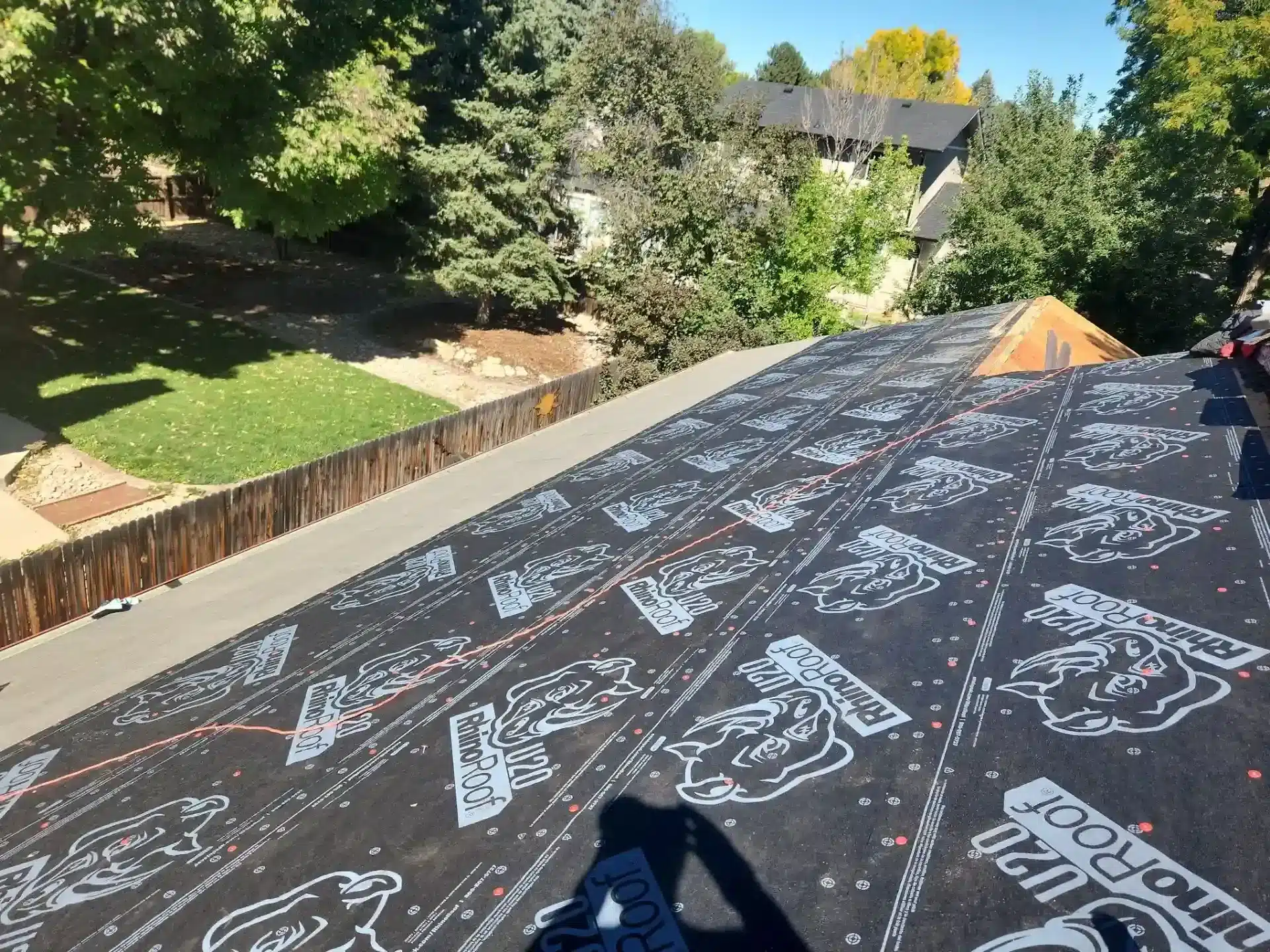
Finding a leak isn’t always as simple as looking up at the spot where water is dripping. Water travels. It can run several feet along a rafter or piece of decking before it finally lets go and shows up on your drywall. We’ve chased leaks in homes around Countryside and Hyland Greens that started more than a dozen feet away from where the homeowner first spotted trouble.
That’s why we look at the whole roof, not just the visible problem. One leak almost always means there are other weak points nearby getting close to failure. We check sealants, flashings, valleys, ventilation, and any past patch jobs that might be giving up.
Emergency Response
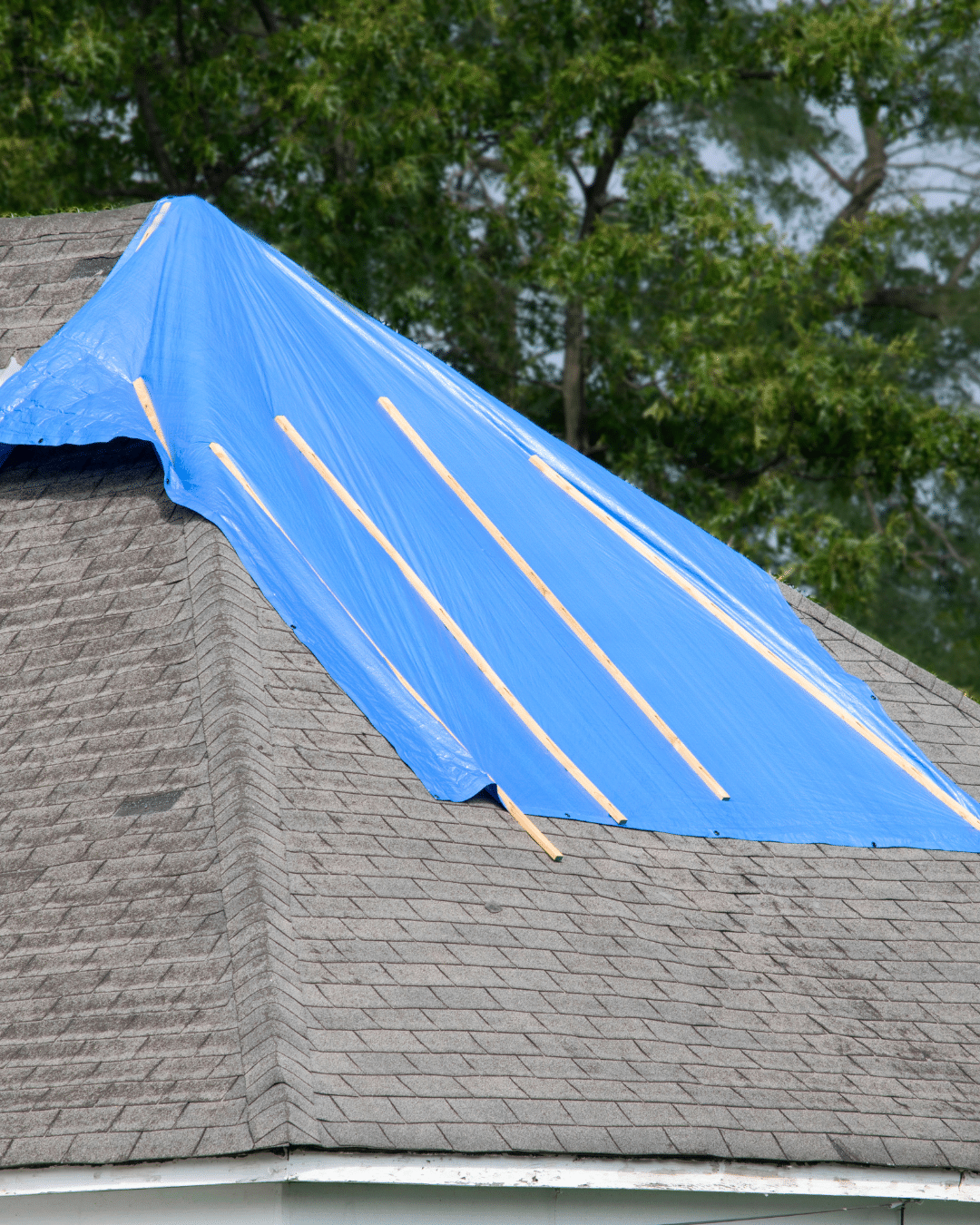
Some roofing problems require prompt attention to help prevent additional damage to your home. Whether severe weather has damaged roofing materials or a sudden issue has exposed your home to the elements, we’ll assess the situation and recommend the most effective next steps. Our team works quickly to document damage, provide temporary protection when appropriate, and develop a plan for permanent repairs as conditions allow.
Shingle and Flashing Work
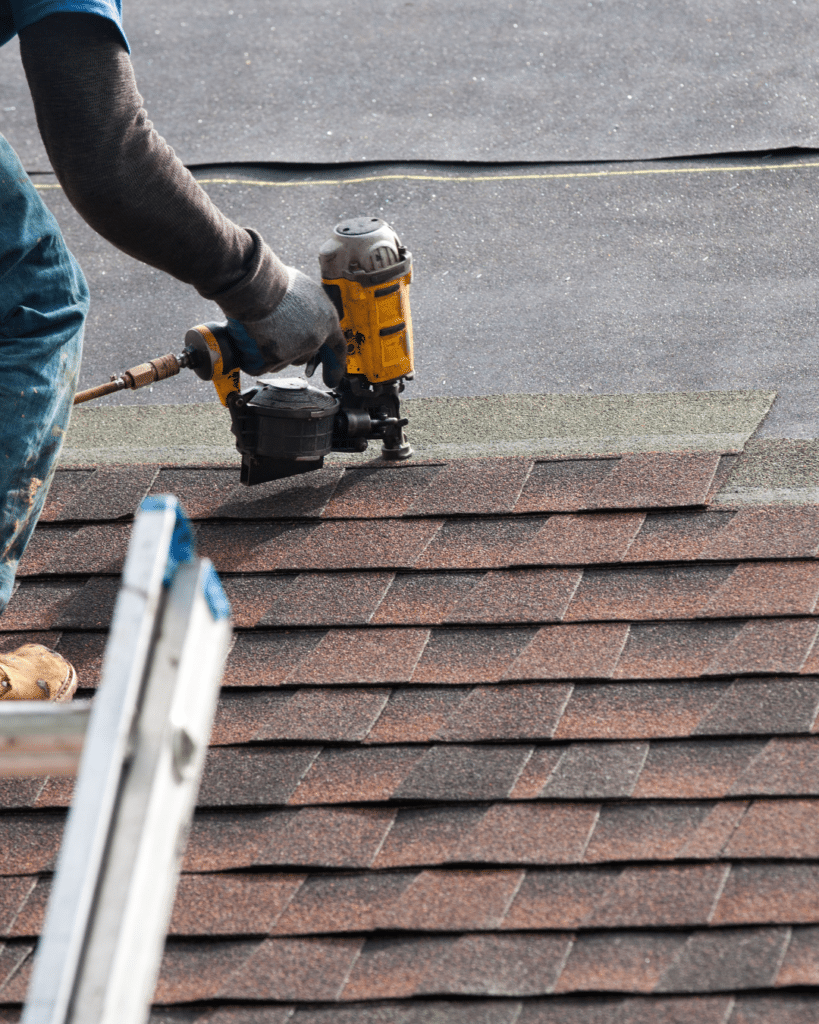
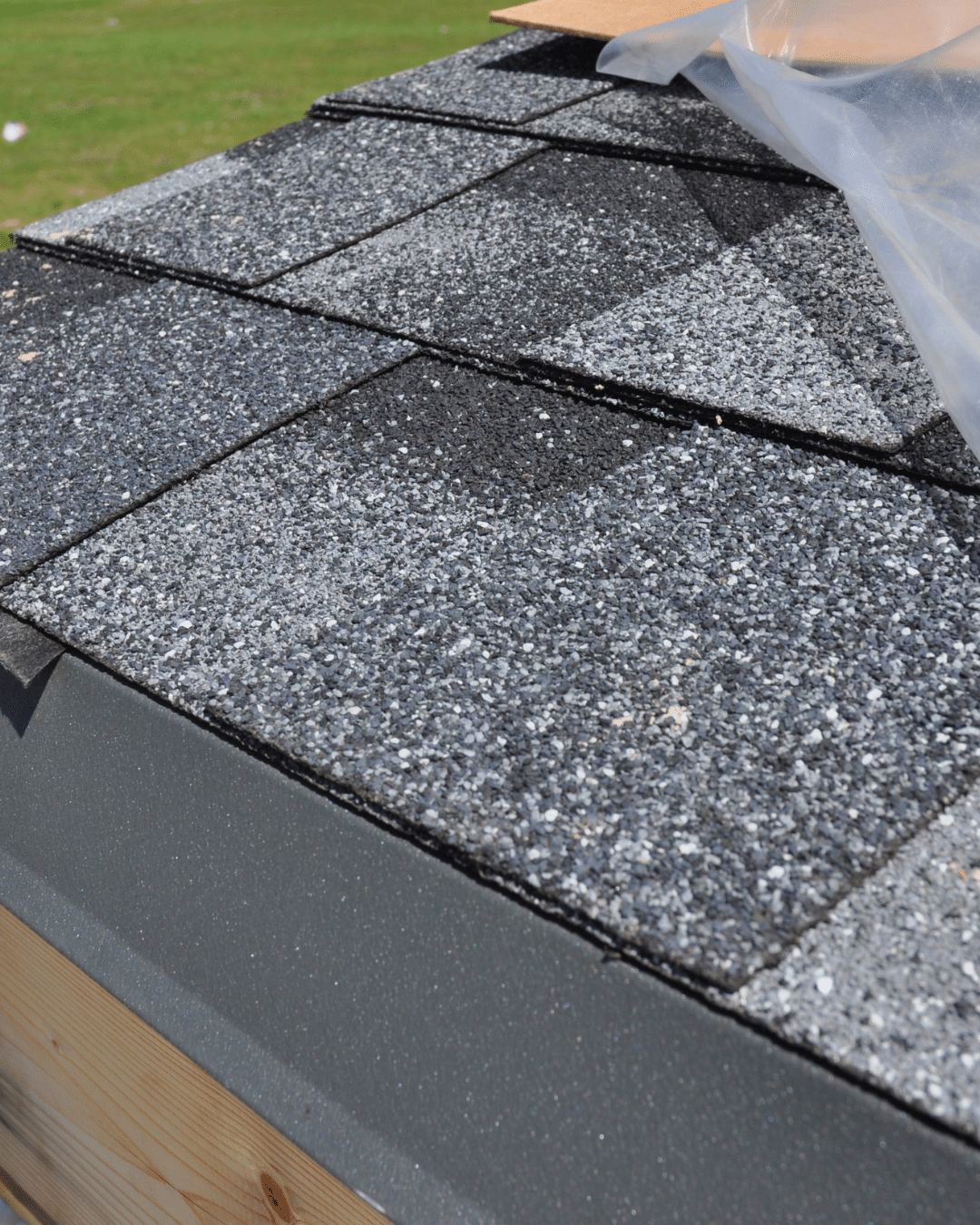
Patching shingles is rarely just a question of installation. The trickier part is matching what’s already there, especially on roofs that are a decade or more old. Manufacturers tweak their lines, colors fade unevenly, and yesterday’s “Driftwood” might not look quite like today’s. We carry samples and can talk through your options, including pulling shingles from less visible slopes for high-visibility repairs.
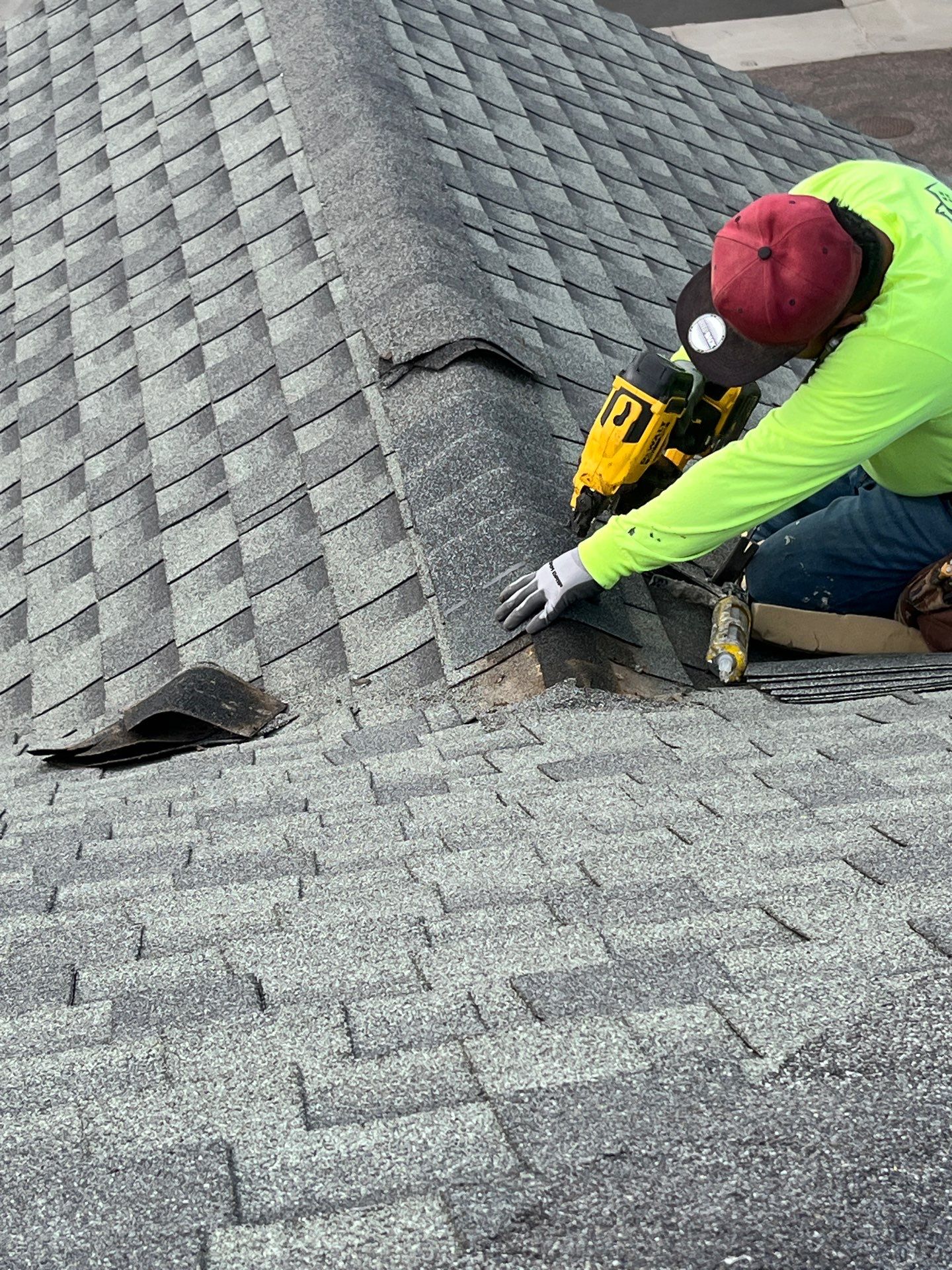
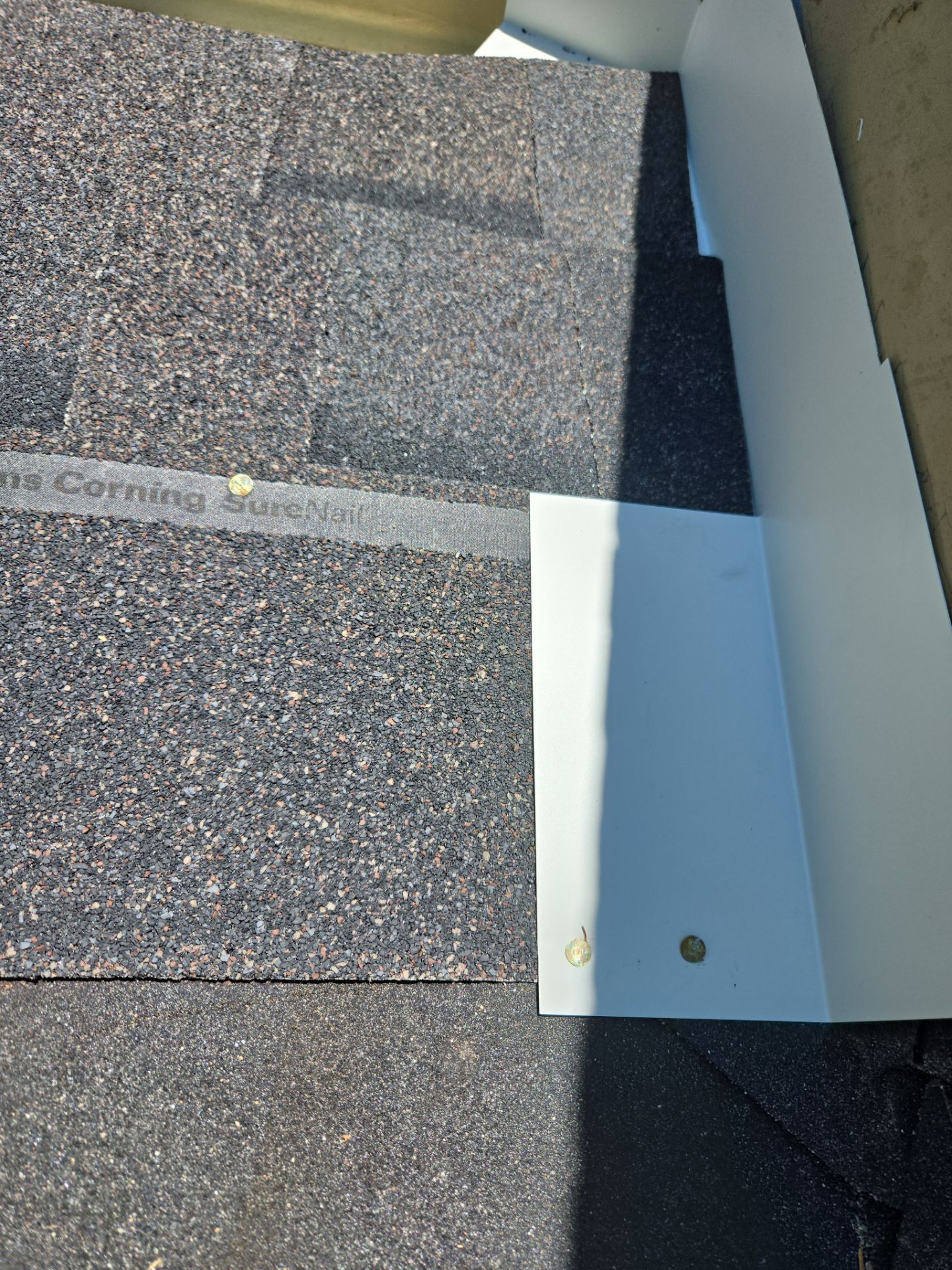
Flashing repair handles the metal channels that route water away from your home’s most vulnerable points. Chimney flashing in particular takes a beating from Colorado’s temperature swings, which crack the sealants and corrode the metal over time. We strip out the failing material, verify the metal is still sound, and rebuild the seal properly.
Repair or Replace?
The honest answer depends on several factors, including the overall condition of the roof, the extent of the damage, and the long-term value of making repairs versus replacing the system. Some roofs are excellent candidates for repair, while others have enough wear or widespread issues that replacement makes more financial sense. Every situation is different, which is why we take the time to evaluate the facts and give you a straightforward recommendation based on what we find—not on which option generates the larger invoice.
When to Repair vs Replace
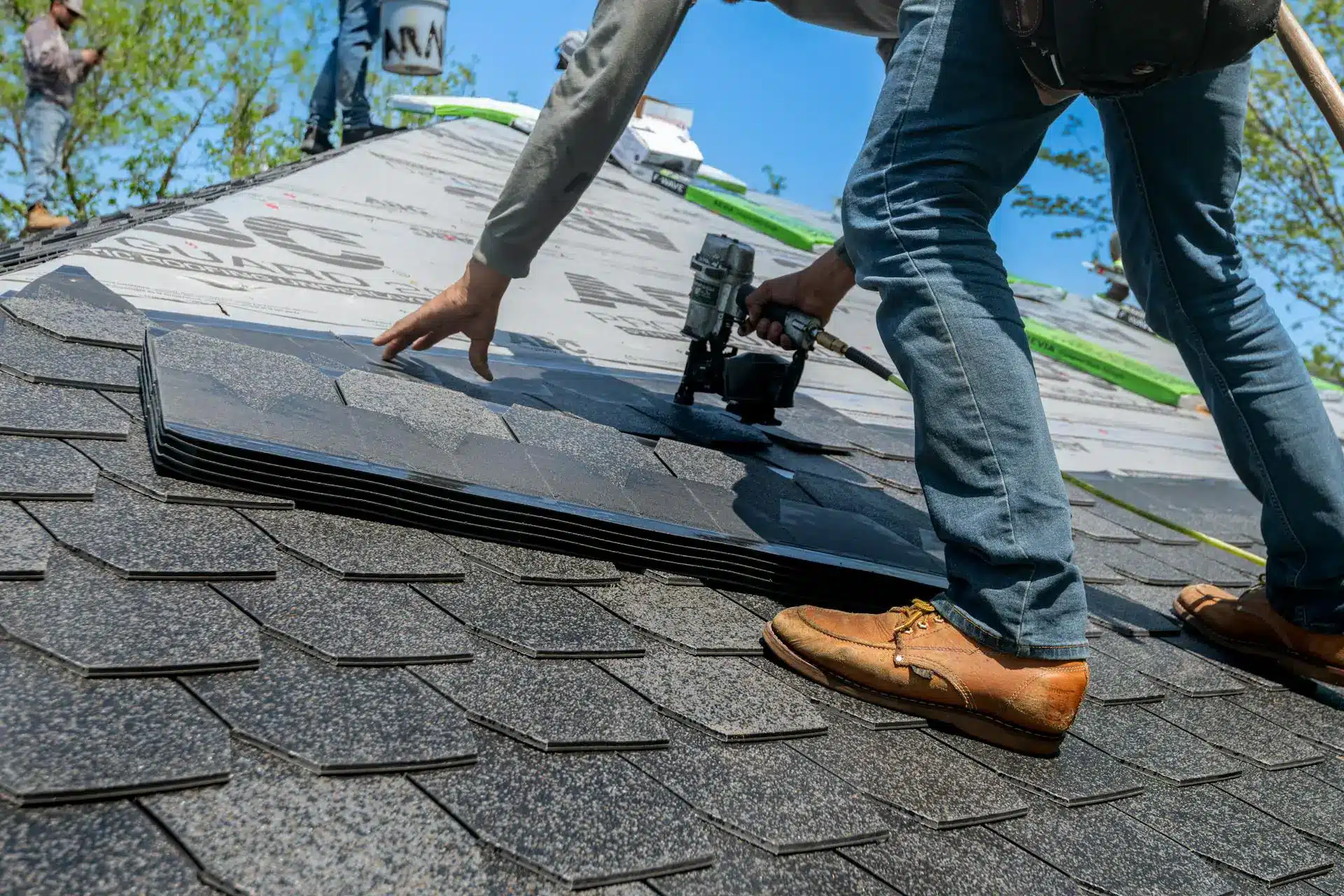
When to repair versus replace depends on roof age, damage extent, and cost comparison. If your roof is under 10 years old with isolated damage from a specific event, repairs almost always make sense. If it’s over 20 years old with multiple problem areas, you’re probably looking at replacement. The gray area is roofs in the 10-20 year range where you need honest assessment.
Repair makes sense when damage is limited to a small area, your roof has years of useful life remaining, repair costs are significantly less than replacement, and the rest of the system is in good shape. We’ll patch storm damage, replace sections affected by tree falls, fix isolated leak points, and handle localized failures. These repairs buy you 5-10 more years before replacement becomes necessary.
Why Homeowners Call ATS Exteriors
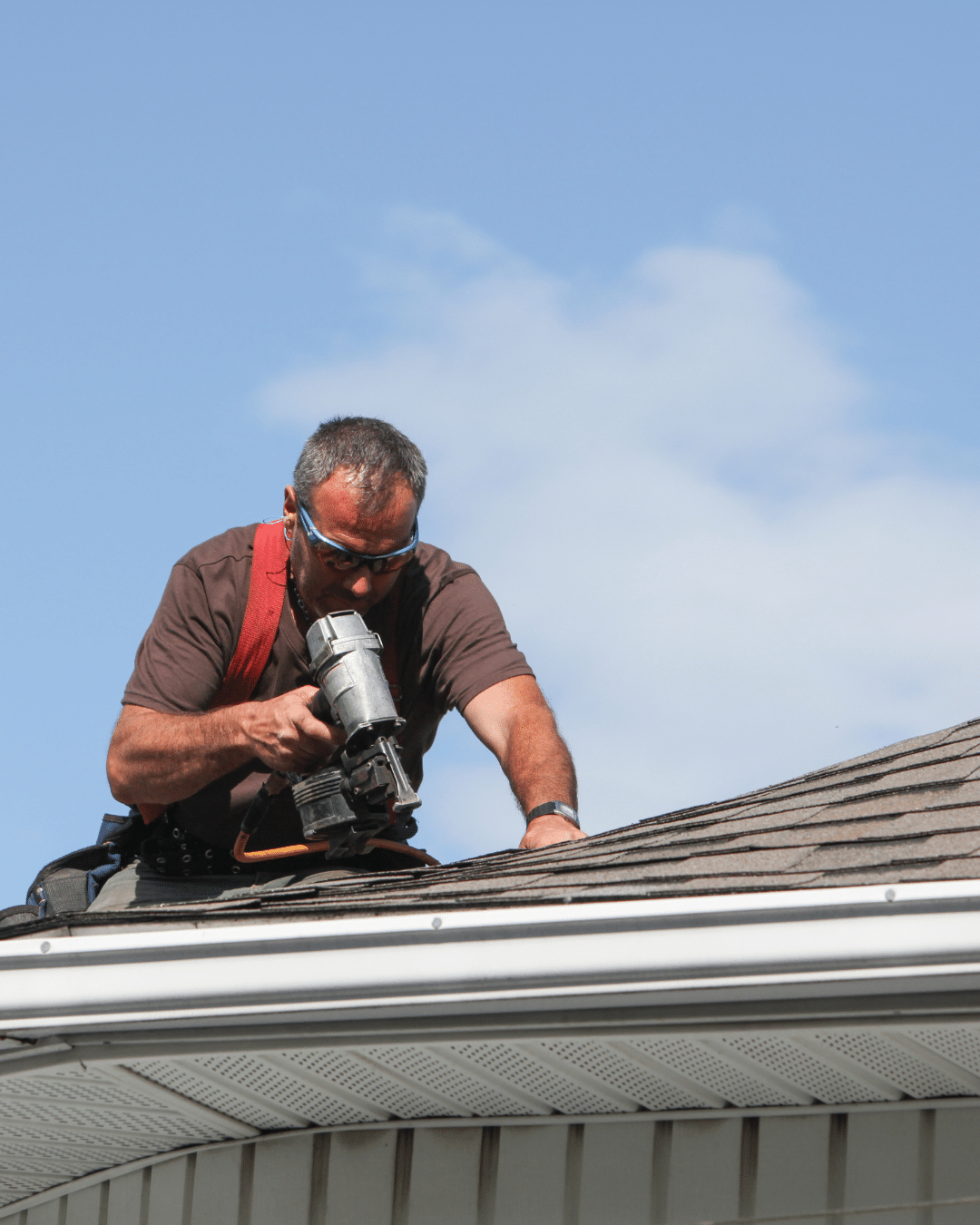
We’re not a company that shows up for a storm season and disappears. As an Owens Corning Preferred Contractor, we hold ourselves to a higher standard and work with crews we know and trust. We don’t hand projects off to subcontractors we’ve never worked with, and because our office is located just outside Westminster, we’re already serving the communities we work in every day. We’ve completed projects throughout Westminster and the surrounding area, and we’re committed to being here long after the job is finished.
Frequently Asked Questions
What does a typical roof repair cost around here?
Pricing varies quite a bit depending on what we’re dealing with. Minor shingle replacement might run a few hundred dollars, while more involved repairs like rebuilding a valley or addressing extensive leak damage can climb into the low thousands. Insurance coverage often shifts the picture entirely, since you’re typically just covering your deductible. We provide free estimates and a clear breakdown of what’s worth fixing.
Will my homeowner's insurance pay for the repair?
Storm-related damage from hail, wind, or fallen trees is usually covered, while wear-and-tear repairs typically aren’t. We’re happy to walk through the inspection with your adjuster and document everything thoroughly to support your claim.
Can repairs be done during the winter months?
Yes, in most cases. We monitor temperatures and weather windows carefully, since shingle sealants need certain conditions to bond properly. Emergency stabilization can happen in almost any weather, with permanent repairs scheduled when conditions allow.
How long should I expect a repair to last?
A well-executed repair on a roof that still has life left in it should last another 5 to 10 years, sometimes longer. The lifespan really depends on the overall condition of the surrounding roofing material.
Do you work on commercial buildings as well as homes?
Yes, we handle both residential and commercial roofing repairs across our service area.
Water is coming through my ceiling right now. What should I do?
Move valuables out of the way, place a bucket under the drip, and if it’s safe, poke a small hole in any sagging drywall to let trapped water out in a controlled way. Then call us. We’ll talk you through next steps and get a crew out as soon as possible.
Don't Wait on a Failing Roof
Whether you’re dealing with a fresh leak, storm damage, or a roof that just isn’t holding up the way it used to, the team at ATS Exteriors is ready to help. Reach out today for a free inspection and an honest assessment of what your roof actually needs.